
 購物車
購物車 
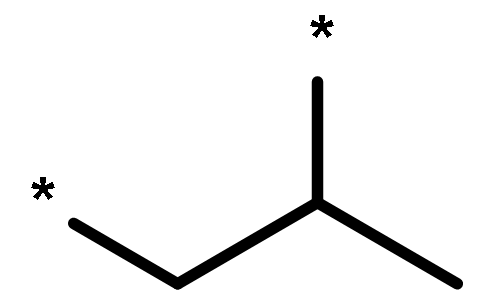
-
聚丙烯【CAS 9003-07-0】
NMR COA MSDS - Names:
Ppolypropylene
- CAS號(hào):
9003-07-0
MDL Number: MFCD00084447 - MF(分子式): [CH2CH(CH3)]n MW(分子量): 354.6克/摩爾
- EINECS:618-352-4 Reaxys Number:No data available
- Pubchem ID:76958 Brand:BIOFOUNT
| 貨品編碼 | 規(guī)格 | 純度 | 價(jià)格 (¥) | 現(xiàn)價(jià)(¥) | 特價(jià)(¥) | 庫存描述 | 數(shù)量 | 總計(jì) (¥) |
|---|---|---|---|---|---|---|---|---|
| CG0266-500g | 500g | 熔融指數(shù) 0.5g/10min | ¥ 196.00 | ¥ 196.00 | 3-5days | ¥ 0.00 |
- 大包裝詢價(jià) 提供各種包裝,敬請(qǐng)垂詢
- 收藏商品 商品點(diǎn)評(píng) 加入購物車 立即購買
| 中文別名 | 聚丙烯(9003-07-0),丙綸油劑; PP; 丙綸; 丙綸短纖維; 丙綸長(zhǎng)絲FDY; 丙綸FDY; 丙綸短纖;塞爾加德;均聚物聚丙烯; |
| 英文別名 | Polypropylene(9003-07-0),poly(propylene);celgard; |
| CAS號(hào) | 9003-07-0 |
| Inchi | InChI = 1S / C22H42O3 / c1-2-3-4-5-11-14-17-20-21(25-20)18-15-12-9-7-6-8-10-13-16- 19-22(23)24 / h20-21H,2-19H2,1H3,(H,23,24)/ t20-,21 + / m1 / s1 |
| InchiKey | NSYDMBURIUSUDH-RTWAWAEBSA-N |
| 分子式 Formula | [CH2CH(CH3)]n |
| 分子量 Molecular Weight | 354.6克/摩爾 |
| 溶解度Solubility | 溶膠HOT 萘烷和四氫化萘,沸騰四氯乙烷/等靜液形式的溶膠,實(shí)際上在冷的有機(jī)溶劑中溶解/等滲形式/ |
| 性狀 | 棕褐色至白色的無味固體或粒子(球形) |
| 儲(chǔ)藏條件 Storage conditions | 20°C室溫保存 |
聚丙烯(Polypropylene,9003-07-0,PP)毒理性質(zhì):
| 生物 | 測(cè)試類型 | 路線 | 報(bào)告劑量(標(biāo)準(zhǔn)化劑量) | 影響 | 資源 |
| rat | LD50 | intraperitoneal | > 110gm/kg (110000mg/kg) | SENSE ORGANS AND SPECIAL SENSES: PTOSIS: EYE | Yakuri to Chiryo. Pharmacology and Therapeutics. Vol. 14, Pg. 1109, 1986. |
| BEHAVIORAL: CONVULSIONS OR EFFECT ON SEIZURE THRESHOLD | |||||
| SENSE ORGANS AND SPECIAL SENSES: LACRIMATION: EYE | |||||
| rat | LD50 | intravenous | > 99gm/kg (99000mg/kg) | LUNGS, THORAX, OR RESPIRATION: CYANOSIS | Yakuri to Chiryo. Pharmacology and Therapeutics. Vol. 14, Pg. 1109, 1986. |
| BEHAVIORAL: TREMOR |
聚丙烯在醫(yī)療設(shè)備在短時(shí)間放置到連接或肌肉組織中時(shí),不會(huì)產(chǎn)生輕微或無刺激性的響應(yīng)。對(duì)于聚丙烯擴(kuò)散的可滲透性材料非常小,無法檢測(cè)到生物反應(yīng)。完全聚合且不含小分子WT COMPD的塑料通常是惰性的,對(duì)眼睛沒有明顯的毒性,但實(shí)際上,它們是小異物,可能在結(jié)膜囊或角膜內(nèi)引起刺激。儲(chǔ)存在特定聚丙烯容器中的大容量注入產(chǎn)品未曾提出任何不良問題,也未發(fā)現(xiàn)任何會(huì)產(chǎn)生毒性反應(yīng)的污染物。在250℃以上的熱應(yīng)力條件下,這些聚烯烴會(huì)降解為刺激性和傷害性的化合物。危害與與任何有機(jī)材料燃燒有關(guān)的危害沒有很大不同。
一般而言,有毒影響歸因于塑料的制造,可能會(huì)持久化并污染制成品,或者可能歸因于分解產(chǎn)品或塑料增塑劑。
聚丙烯(Polypropylene,9003-07-0,PP)實(shí)驗(yàn)注意事項(xiàng):
1.實(shí)驗(yàn)前需戴好防護(hù)眼鏡,穿戴防護(hù)服和口罩,佩戴手套,避免與皮膚接觸。
2.實(shí)驗(yàn)過程中如遇到有毒或者刺激性物質(zhì)及有害物質(zhì)產(chǎn)生,必要時(shí)實(shí)驗(yàn)操作需要手套箱內(nèi)完成以免對(duì)實(shí)驗(yàn)人員造成傷害。
3.取樣品的移液槍頭需及時(shí)更換,必要時(shí)為避免交叉污染盡可能選擇濾芯吸頭。
4.稱量藥品時(shí)選用稱量紙,并無風(fēng)處取藥和稱量以免揚(yáng)撒,試劑的容器使用前務(wù)必確保干凈,并消毒。
5.取藥品時(shí)盡量采用多個(gè)藥勺分別使用,使用后清洗干凈后,烘干消毒存放。
6.實(shí)驗(yàn)后產(chǎn)生的廢棄物需分類存儲(chǔ),并交于專業(yè)生物廢氣物處理公司處理,以免造成環(huán)境污染。
Experimental considerations:
1. Wear protective glasses, protective clothing and masks, gloves, and avoid contact with the skin during the experiment.
2. The waste generated after the experiment needs to be stored separately, and handed over to a professional biological waste gas treatment company to avoid environmental pollution.
Tags:聚丙烯試劑,聚丙烯雜質(zhì),聚丙烯中間體,聚丙烯密度,聚丙烯旋光度,聚丙烯合成,聚丙烯閃點(diǎn),聚丙烯MSDS,聚丙烯結(jié)構(gòu)式,聚丙烯蒸氣壓,聚丙烯分子式,
| 產(chǎn)品說明 | 聚丙烯(9003-07-0,PP)是棕褐色至白色的無味固體.聚丙烯比水密度低,聚丙烯不溶于水,因此漂浮在水上.聚丙烯,溶解度,聚丙烯MSDS詳見主頁 |
| Introduction | 聚丙烯(Polypropylene,9003-07-0,PP)is a brown to white odorless solid. It is less dense than water and insoluble in water. So floating on the water. |
| Application1 | 聚丙烯是通過丙烯和乙烯的單體形成長(zhǎng)鏈而制得的,校準(zhǔn)儀器和裝置;評(píng)價(jià)方法;工作標(biāo)準(zhǔn);質(zhì)量保證/質(zhì)量控制;其他 |
| Application2 | 聚丙烯是棕褐色至白色的無味固體。比水密度低,不溶于水。因此漂浮在水上。 |
| Application3 | 聚丙烯是一種半結(jié)晶的熱塑性塑料。具有較高的耐沖擊性,機(jī)械性質(zhì)強(qiáng)韌,抗多種有機(jī)溶劑和酸堿腐蝕。 |
聚丙烯(Polypropylene,9003-07-0,PP)藥理學(xué):
※聚丙烯是棕褐色至白色的無味固體。比水密度低,不溶于水。因此漂浮在水上。
※聚丙烯是一種半結(jié)晶的熱塑性塑料。具有較高的耐沖擊性,機(jī)械性質(zhì)強(qiáng)韌,抗多種有機(jī)溶劑和酸堿腐蝕。
※在工業(yè)界有廣泛的應(yīng)用,包括包裝材料和標(biāo)簽,紡織品(例如,繩,保暖內(nèi)衣和地毯),文具,塑料部件和各種類型的可重復(fù)使用的容器,實(shí)驗(yàn)室中使用的熱塑性聚合物設(shè)備,揚(yáng)聲器,汽車部件,和聚合物紙幣,是平常常見的高分子材料之一。在2013年,聚丙烯全球市場(chǎng)約55萬噸。 澳大利亞和加拿大的塑料錢幣也使用聚丙烯制作。
※聚丙烯是低密度,低粘度的均聚物。聚丙烯是為減少結(jié)塊,劃痕和磨損的蠟改性劑。改善聚丙烯膜和纖維中顏料的分散性。聚丙烯網(wǎng)層壓有未增強(qiáng)的硫化硅橡膠片。 丙烯或丙烯聚合物。可以擠出成纖維,薄膜或固體形式的熱塑性塑料。它們被用作塑料特別是聚乙烯的共聚物。纖維用于織物,過濾器和外科縫合線。聚丙烯網(wǎng),層壓有未增強(qiáng)的硫化硅橡膠片。
| 警示圖 | 驗(yàn)過程中防止吸入、食入,做好安全防護(hù).jpg) |
| 危險(xiǎn)性 | |
| 危險(xiǎn)性警示 | 無明顯毒性,可燃易燃性與羊毛相當(dāng),但燃燒緩慢。滅火劑可滅火:泡沫,干粉,二氧化碳 |
| 安全聲明 | No data available |
| 安全防護(hù) | H303吞入可能有害+H313皮膚接觸可能有害+H333吸入可能對(duì)身體有害 |
| 備注 | P264處理后徹底清洗+P280戴防護(hù)手套/穿防護(hù)服/戴防護(hù)眼罩/戴防護(hù)面具+P305如果進(jìn)入眼睛+P351用水小心沖洗幾分鐘+P338取出隱形眼鏡(如果有)并且易于操作,繼續(xù)沖洗+P337如果眼睛刺激持續(xù)+P313獲得醫(yī)療建議/護(hù)理 |
化學(xué):聚丙烯(Polypropylene,9003-07-0,PP)無明顯毒性
| The respiratory effects of occupational polypropylene flock exposure S Atis 1, B Tutluoglu, E Levent, C Ozturk, A Tunaci, K Sahin, A Saral, I Oktay, A Kanik, B Nemery Affiliations expand PMID: 1564033 |
| Effects of membrane type and liquid/liquid phase boundary on in vitro release of ketoprofen from gel formulations,Simon J Gallagher 1, Lionel Trottet, Timothy P Carter, Charles M Heard Affiliations ex |
| Bio-Polyethylene (Bio-PE), Bio-Polypropylene (Bio-PP) and Bio-Poly(ethylene terephthalate) (Bio-PET): Recent Developments in Bio-Based Polymers Analogous to Petroleum-Derived Ones for Packaging and En |
| A Review on Porous Polymeric Membrane Preparation. Part II: Production Techniques with Polyethylene, Polydimethylsiloxane, Polypropylene, Polyimide, and Polytetrafluoroethylene PMID 31387315; Polymers |
| Supercritical fluid extraction for purification of waxes derived from polyethylene and polypropylene plastics PMID 31447020; Waste management (New York, N.Y.) 2019 Sep; 97:131-139 |
聚丙烯(Polypropylene,9003-07-0,PP)參考文獻(xiàn):
1. [抗沖聚丙烯共聚物二甲苯可溶物的鏈結(jié)構(gòu)和熱性能研究]。
Luo HL1, Zhao Y, Wu JG, Wang DJ. Guang Pu Xue Yu Guang Pu Fen Xi. 2012 Dec;32(12):3363-6.
Impact polypropylene copolymers (IPC) are in-situ blends of polypropylene homopolymer and ethylene-alpha-olefin copolymers formed in the reactor, which is a multiphasic complex material with isotactic polypropylene (iPP) as a matrix in which poly(ethylene-alpha-olefin) elastomeric copolymer is finely dispersed, and ethylene-alpha-olefin random copolymer (EPR) acts as an elastomer to improve the impact resistance properties of iPP at room temperature and low temperature. In the present, the content of xylene soluble is used to evaluate the content of EPR rubber phase in IPC. The content, the chain structure, and glass transition temperature (T(g)) of EPR rubber are critical to the toughness of IPC. In the present report, Fourier transform infrared spectroscopy(FTIR), nuclear magnetic resonance (NMR) and differential scanning calorimetry(DSC) were utilized to study the comonomer content, chain structure and thermal property of xylene soluble of two IPC prepared by different catalysts.
2.均聚物的相容性:通過添加少量的PVAc,可顯著提高PPC / PMMA混合物的模量和拉伸強(qiáng)度。
Li Y1, Shimizu H. ACS Appl Mater Interfaces. 2009 Aug;1(8):1650-5. doi: 10.1021/am900314k.
Poly(propylene carbonate) (PPC), a polymer produced from CO2, has been melt-mixed with 30 wt % poly(methyl methacrylate) (PMMA) with the aim of enhancing the physical properties of PPC for practical use but keeping a relatively high CO2 fixing rate in the compound. The observation of a coarse phase structure with a large PMMA domain size and a large size distribution in the blend indicates the immiscibility between PPC and PMMA. The addition of a small amount of poly(vinyl acetate) (PVAc) not only shifts the glass transition temperatures (T(g)'s) of both PPC and PMMA markedly but also significantly increases the modulus and tensile strength of the blend. The prepared compound with 5 per hundred parts of resin PVAc shows a 26 times higher elastic modulus and an approximately 3.8 times higher tensile strength than pure PPC at room temperature. The morphological investigation indicates that the incorporation to PVAC not only induces the finer dispersion of PMMA in the PPC matrix but also results in the phase transformation from a sea-island to a co-continuous structure.
3,螺旋均聚物晶體的非徑向生長(zhǎng):打破了聚合物球晶微觀結(jié)構(gòu)的范式。
Rosenthal M1, Hernandez JJ, Odarchenko YI, Soccio M, Lotti N, Di Cola E, Burghammer M, Ivanov DA. Macromol Rapid Commun. 2013 Dec;34(23-24):1815-9. doi: 10.1002/marc.201300713. Epub 2013 Nov 8.
Radial symmetry is essential for the conventional view of the polymer spherulite microstructure. Typically it is assumed that, in the course of the spherulite morphogenesis, the lamellar crystals grow radially. Using submicron X-ray diffraction, it is shown that in banded spherulites of poly(propylene adipate) the crystals have the shape of a helix with flat-on crystals winding around a virtual cylinder of about 6 µm in diameter. The helix angle of 30° implies that the crystal growth direction is tilted away from the spherulite radius by this angle. The implications of the helical crystal shape contradict the paradigm of the spherulitic microstructure. The radial growth rate of such spherulites does not correspond to the crystal growth rate, but to the propagation rate of the virtual cylinder the ribbons wind around.
4,結(jié)合TREF,高溫HPLC,F(xiàn)TIR和HPer DSC進(jìn)行復(fù)雜聚丙烯共聚物的綜合分析。
Cheruthazhekatt S1, Pijpers TF, Mathot VB, Pasch H. Anal Bioanal Chem. 2013 Nov;405(28):8995-9007. doi: 10.1007/s00216-013-6955-5. Epub 2013 Apr 24.
A novel, powerful analytical technique, preparative temperature rising elution fractionation (prep TREF)/high-temperature (HT)-HPLC/Fourier transform infrared spectroscopy (FTIR)/high-performance differential scanning calorimetry (HPer DSC)), has been introduced to study the correlation between the polymer chain microstructure and the thermal behaviour of various components in a complex impact polypropylene copolymer (IPC). For the comprehensive analysis of this complex material, in a first step, prep TREF is used to produce less complex but still heterogeneous fractions. These chemically heterogeneous fractions are completely separated by using a highly selective chromatographic separation method--high-temperature solvent gradient HPLC. The detailed structural and thermal analysis of the HPLC fractions was conducted by offline coupling of HT-HPLC with FTIR spectroscopy and a novel DSC method--HPer DSC. Three chemically different components were identified in the mid-elution temperature TREF fractions.
- 相關(guān)產(chǎn)品
-
< >
- 推薦產(chǎn)品
-
< >
- 最新產(chǎn)品
-
< >
新聞
胞爬片免疫組化染色.png)
怎么做細(xì)胞爬片免疫組化染色實(shí)驗(yàn)
細(xì)胞爬片免疫組化染色,是通過細(xì)胞爬片是讓玻片浸在細(xì)胞培養(yǎng)基內(nèi),細(xì)胞在玻片上生長(zhǎng),主要用于組織學(xué),免疫組織化學(xué)...
2020/7/20 22:04:33
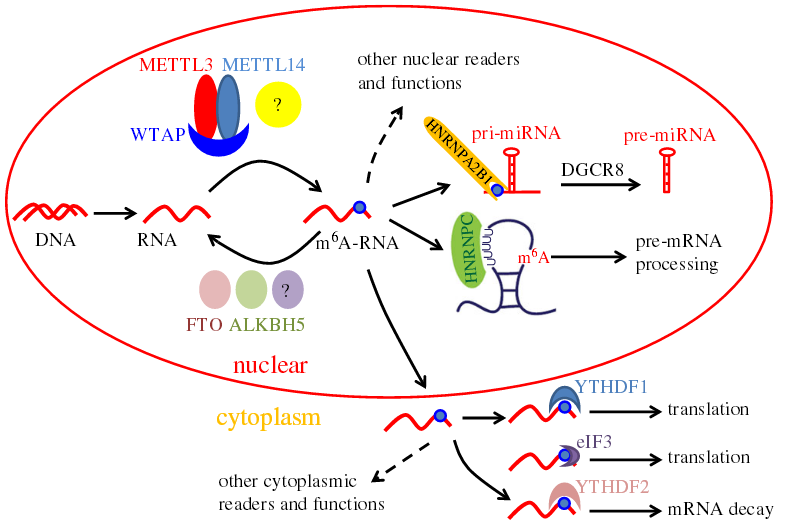
提取病毒RNA的實(shí)驗(yàn)方法
提取病毒RNA方法分別有:異硫氰酸胍的提取病毒RNA方法、TRIzol LS提取法、Trizol法提取法等等...
2020/7/22 20:29:26
胞插件.png)
細(xì)胞培養(yǎng)耗材技術(shù)領(lǐng)先性
細(xì)胞培養(yǎng)板行業(yè)面臨的核心痛點(diǎn)是:常規(guī)TC處理后表面親水角隨時(shí)間衰減,影響長(zhǎng)期培養(yǎng)穩(wěn)定性,BIOFOUNT高分...
2026/4/28 15:12:51
胞培養(yǎng)板.jpg)
細(xì)胞培養(yǎng)耗材關(guān)鍵性能
細(xì)胞培養(yǎng)板的水接觸角作為表面潤(rùn)濕性的核心指標(biāo),直接影響細(xì)胞貼壁、增殖、分化及功能表達(dá),其中40°(低接觸角/...
2026/4/28 14:52:44

chelex 100樹脂國(guó)產(chǎn)替代之路-BIOFOUNT范德生物
Chelex 100螯合離子交換樹脂對(duì)銅、鐵和其他重金屬?的偏好顯著高于對(duì)鈉、鉀等一價(jià)陽離子的偏好。它對(duì)二價(jià)...
2025/11/4 14:22:46
9月開學(xué)季——助研新學(xué)期 范德送好禮
2025/8/28 15:30:55
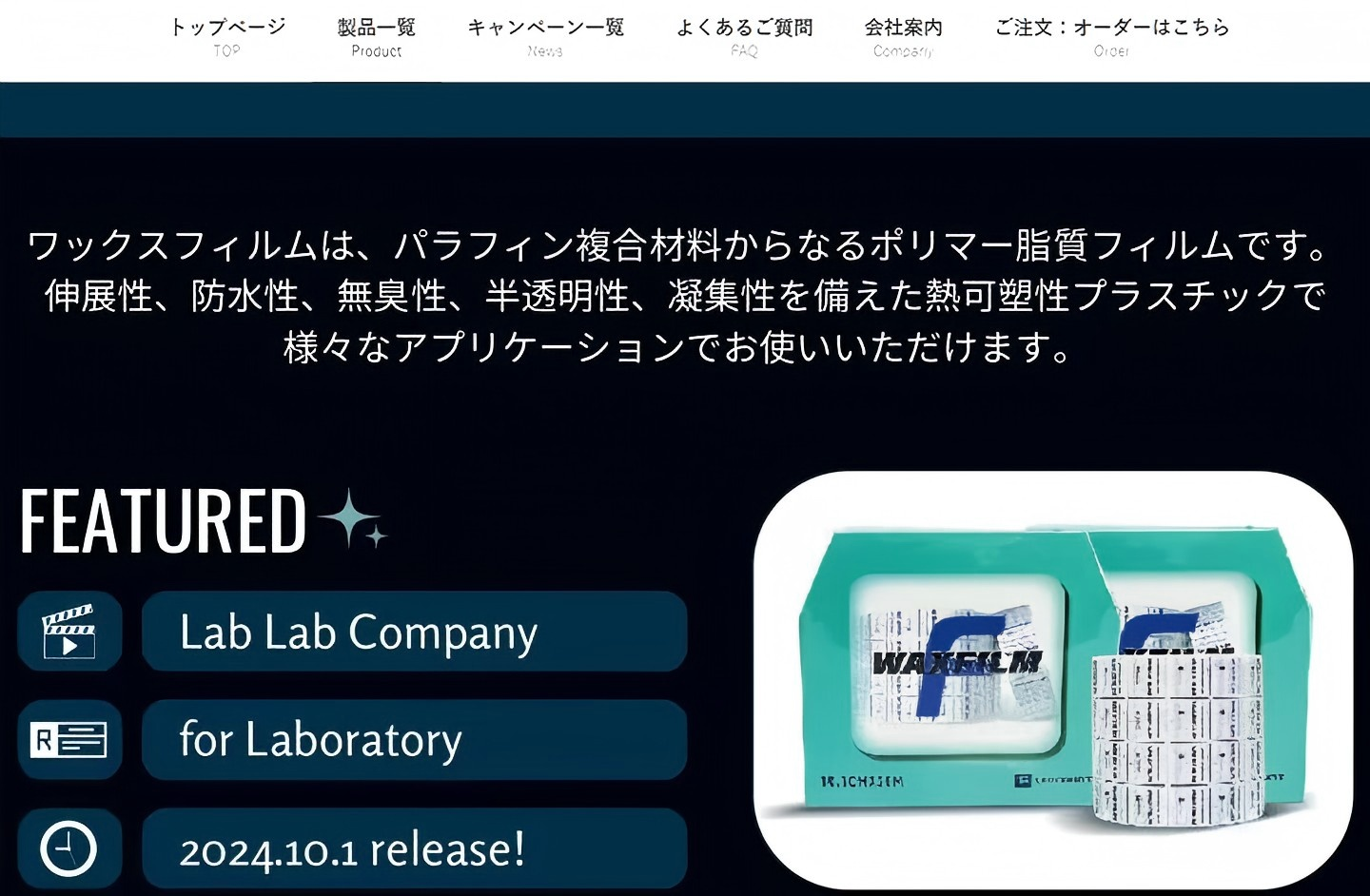
Waxfilm 實(shí)驗(yàn)室封口膜:技術(shù)與國(guó)際市場(chǎng)的雙重突破
在實(shí)驗(yàn)室耗材領(lǐng)域,封口膜是保障實(shí)驗(yàn)準(zhǔn)確性與穩(wěn)定性的關(guān)鍵產(chǎn)品之一。近年來,Waxfilm?實(shí)驗(yàn)室封口膜憑借其卓...
2025/5/13 13:03:40
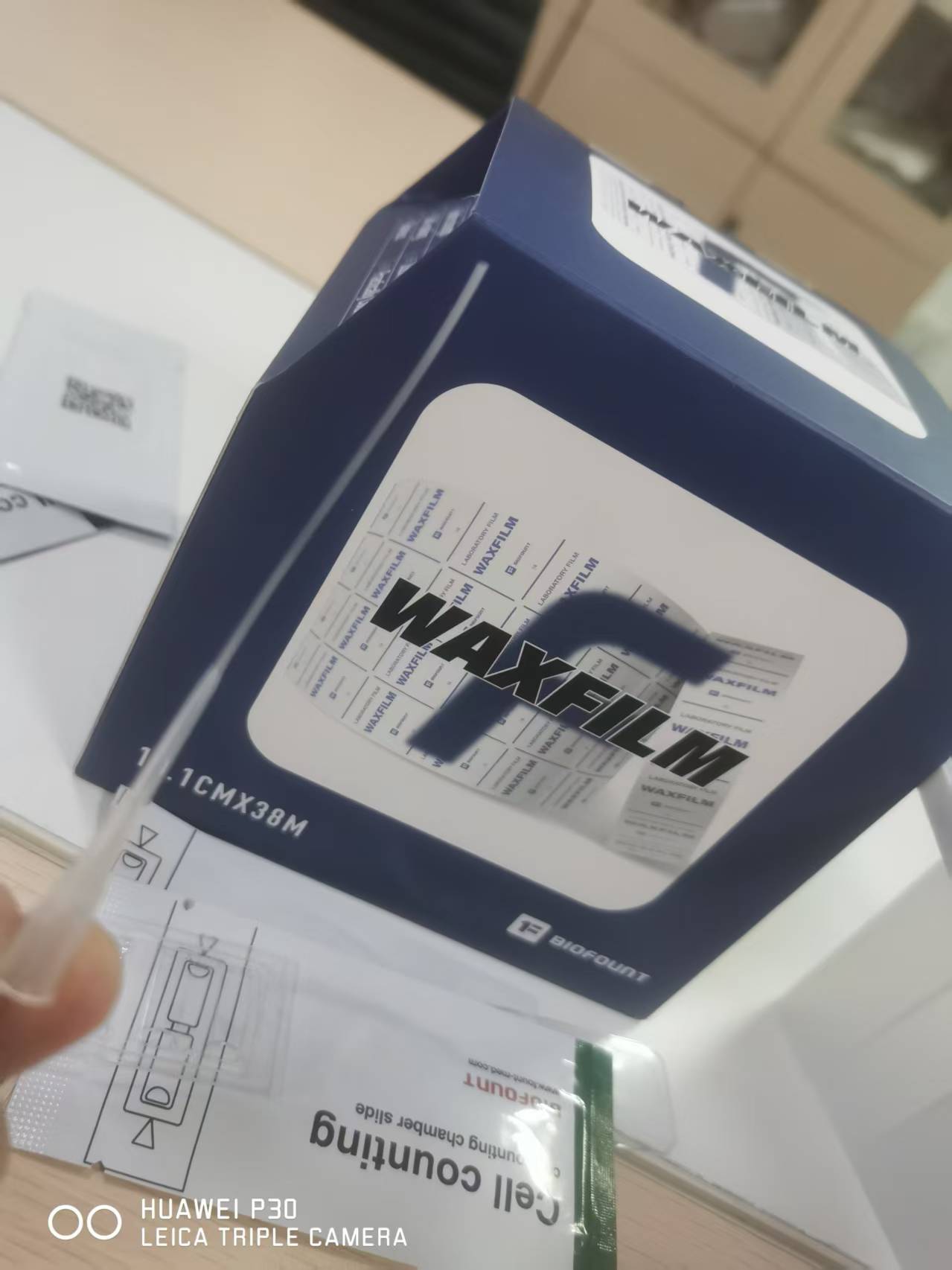
Waxfilm實(shí)驗(yàn)室封口膜的5大突破
Waxfilm實(shí)驗(yàn)室封口膜作為生物功能膜領(lǐng)域的國(guó)產(chǎn)技術(shù)突破和品牌突破,是生物領(lǐng)域中國(guó)技術(shù)發(fā)展的縮影。
2025/5/6 17:02:07

各種微流控芯片鍵合方法的優(yōu)缺點(diǎn)
微流控芯片鍵合:目前主要有激光焊接、熱壓鍵合、膠鍵合、超音波焊接,每種方法都有各自的優(yōu)缺點(diǎn)。本文主要介紹聚酯...
2023/7/28 10:43:09

新一代微流控鍵合解決方案
微流控鍵合解決方案:微流控芯片制造的一個(gè)重要環(huán)節(jié),也是最容易被忽視的--芯片鍵合。其中一個(gè)重要因素是:微流控...
2023/7/27 12:44:28